
The Importance of Medical Facility Cleaning: Ensuring Safety and Compliance


Understanding the Critical Role of Medical Facility Cleaning
Medical facilities, including hospitals, clinics, and outpatient centers, are environments where hygiene is paramount. The cleanliness of these facilities directly impacts not only the health and safety of patients but also the overall efficiency of healthcare delivery. Maintaining a sterile environment is essential to prevent the spread of infections and protect vulnerable patients.
The Impact of Cleanliness on Patient Safety
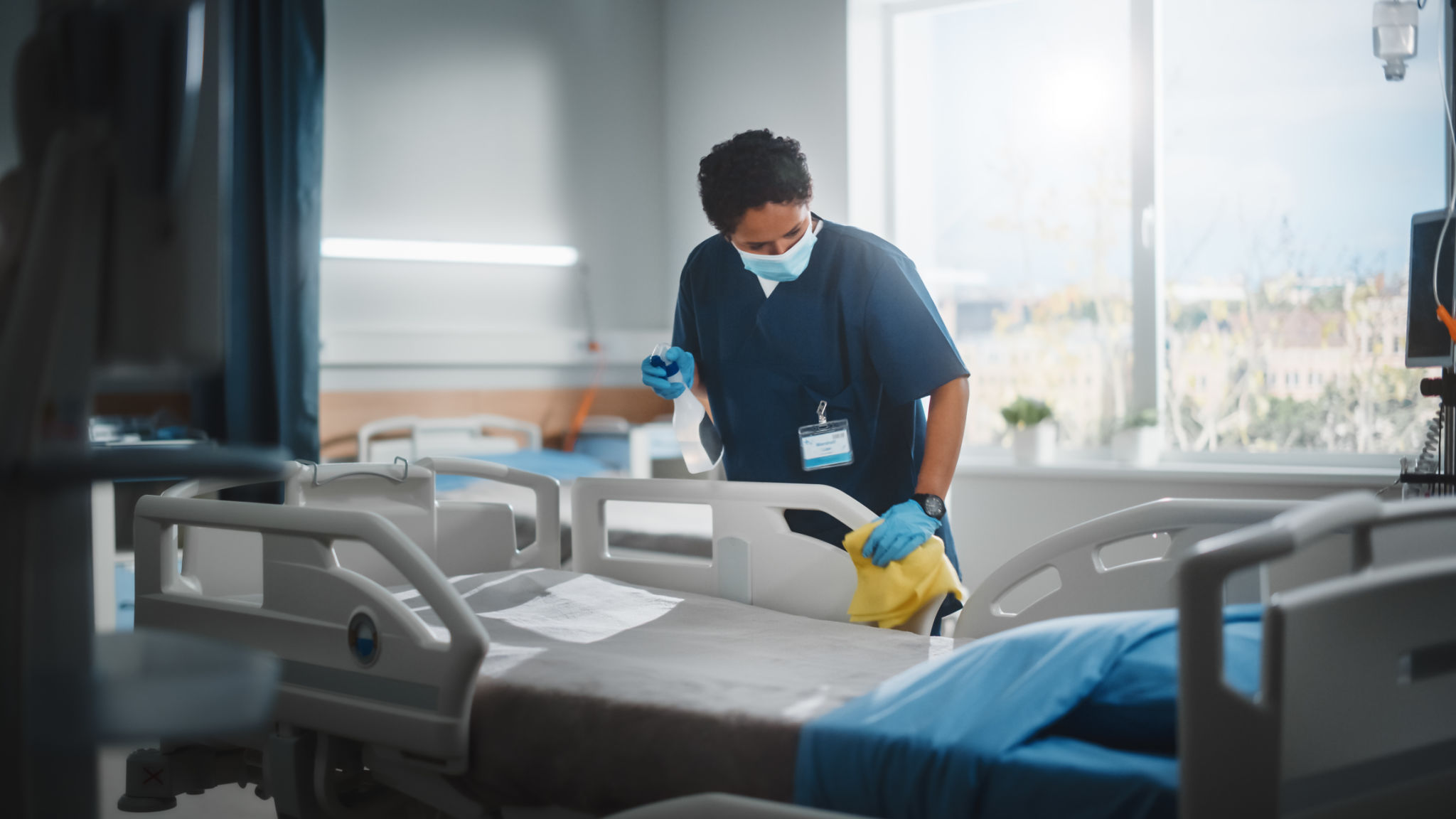
Patient safety is a top priority in healthcare settings. Clean medical facilities help reduce the risk of healthcare-associated infections (HAIs), which can lead to severe complications and prolonged hospital stays. By ensuring proper sanitation, hospitals can significantly lower infection rates and improve patient outcomes.
Medical facility cleaning involves more than just surface cleaning. It requires a detailed approach that includes disinfecting high-touch areas, managing waste effectively, and adhering to specific protocols to ensure comprehensive sanitation.
Compliance with Health Standards and Regulations
Healthcare facilities must comply with stringent regulations and standards set by health authorities. These guidelines are designed to protect patients, staff, and visitors. Non-compliance can lead to severe consequences, including legal penalties and damage to the facility's reputation.
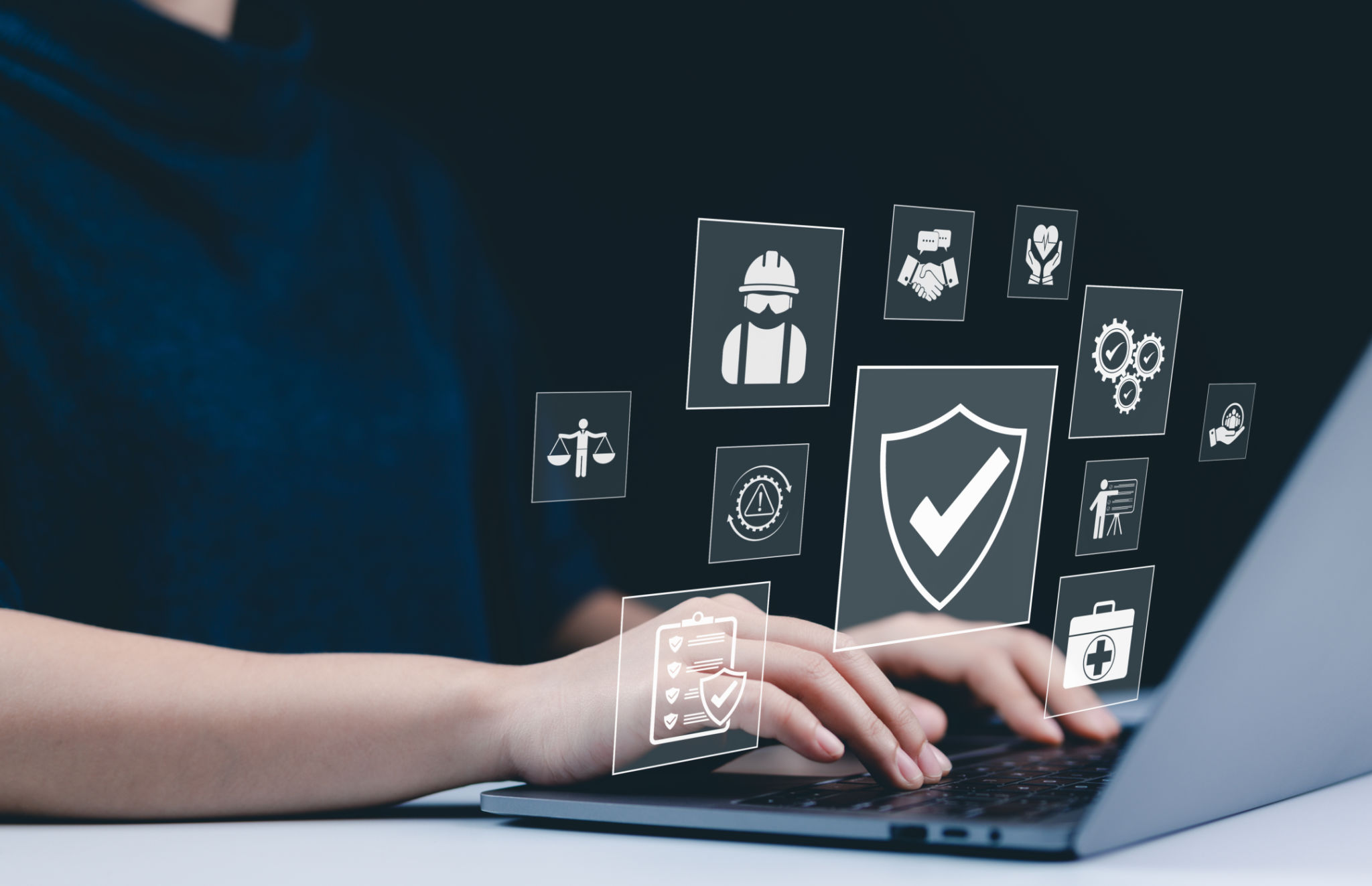
Regular audits and inspections ensure that medical facilities adhere to these standards. By maintaining a high level of cleanliness, facilities can demonstrate their commitment to both safety and compliance, fostering trust and confidence among patients and healthcare providers.
Implementing Effective Cleaning Protocols
To maintain high cleanliness standards, healthcare facilities must implement effective cleaning protocols. These protocols should include:
- Routine cleaning and disinfection of all areas.
- Special attention to high-risk zones like operating rooms and intensive care units.
- Use of hospital-grade disinfectants and cleaning agents.
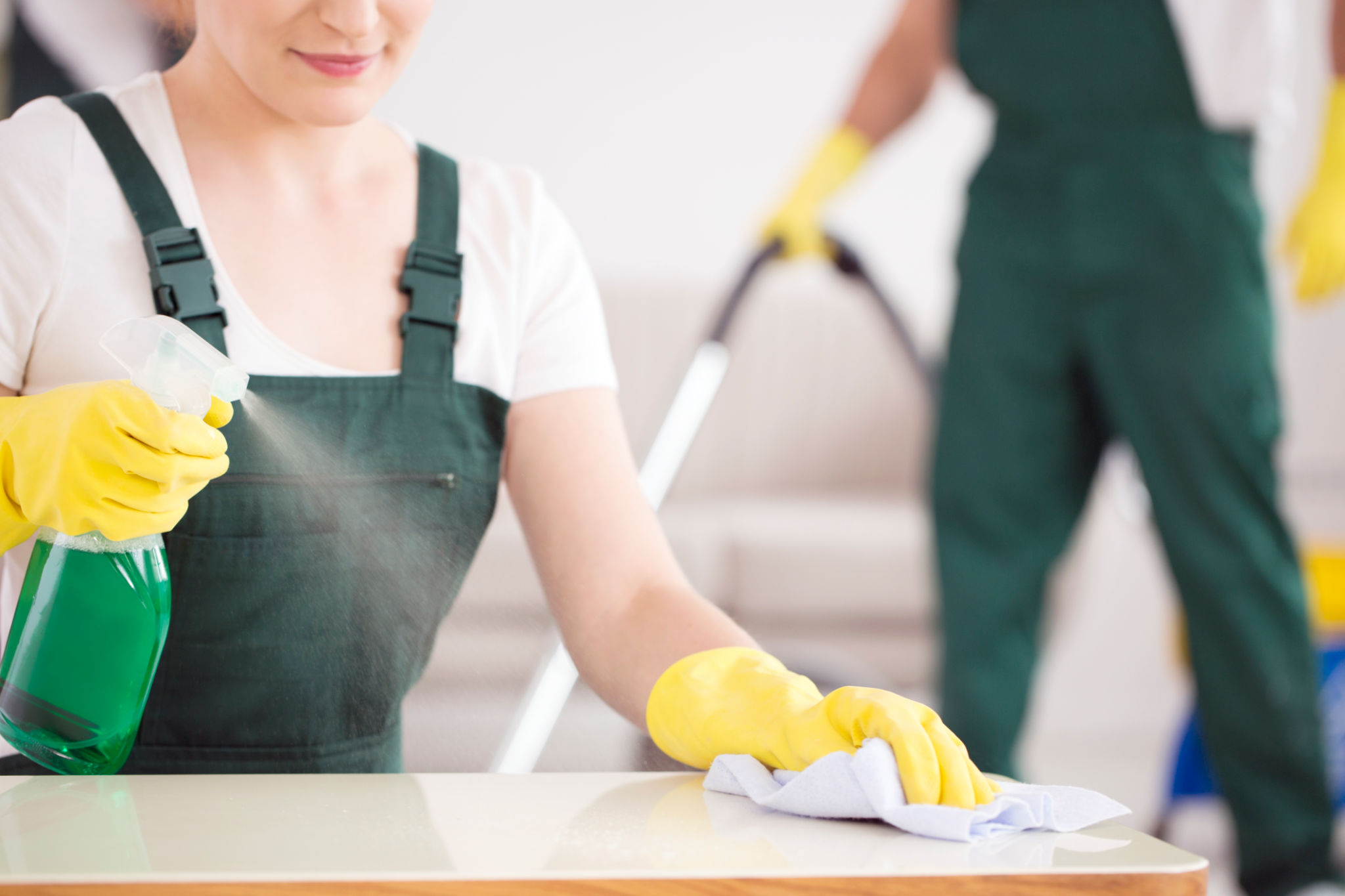
Training staff in these protocols is crucial to ensure they understand the importance of their role in maintaining a safe environment. Regular training sessions and updates on new cleaning technologies and products can enhance the efficacy of cleaning efforts.
Enhancing Staff and Visitor Safety
The cleanliness of a medical facility also affects staff and visitor safety. A clean environment reduces the risk of occupational hazards and ensures that healthcare workers can perform their duties effectively without the threat of contamination. Additionally, visitors can feel more at ease knowing that the facility prioritizes hygiene.
By investing in professional cleaning services, healthcare facilities can ensure that all areas are thoroughly sanitized and meet the highest standards of safety and compliance.

The Role of Technology in Medical Facility Cleaning
Advancements in technology have revolutionized medical facility cleaning. Automated systems, such as UV light disinfection and electrostatic sprayers, provide an additional layer of safety by effectively eliminating pathogens. These technologies complement traditional cleaning methods and enhance overall sanitation efforts.
Incorporating technology not only improves cleaning outcomes but also increases efficiency, allowing facilities to maintain a clean environment with minimal disruption to daily operations.
Conclusion: A Commitment to Excellence
Maintaining a clean medical facility is a continuous process that requires commitment and diligence. By prioritizing cleanliness, healthcare facilities can ensure the safety of patients and staff while complying with health regulations. This commitment to excellence not only enhances patient care but also builds a reputation of trust and reliability within the community.