
The Importance of Medical Facility Cleaning in NT: Ensuring Patient Safety


Understanding the Critical Role of Cleanliness
In medical facilities, cleanliness is not just about aesthetics; it's a fundamental component of patient safety. The Northern Territory (NT) is home to numerous healthcare institutions that serve diverse communities. Ensuring these facilities are impeccably clean is vital for preventing infections and maintaining a safe environment for both patients and staff.
Healthcare-associated infections (HAIs) are a significant concern in medical settings. These infections can result in prolonged hospital stays, increased medical costs, and even fatalities. A robust cleaning protocol helps minimize these risks, underscoring the importance of dedicated cleaning practices in NT's medical facilities.

The Impact of Cleanliness on Patient Outcomes
Cleanliness in medical facilities directly impacts patient outcomes. A well-maintained environment reduces the risk of HAIs, leading to faster recovery times and improved patient satisfaction. Studies have shown that patients are more likely to trust and recommend healthcare providers who prioritize cleanliness.
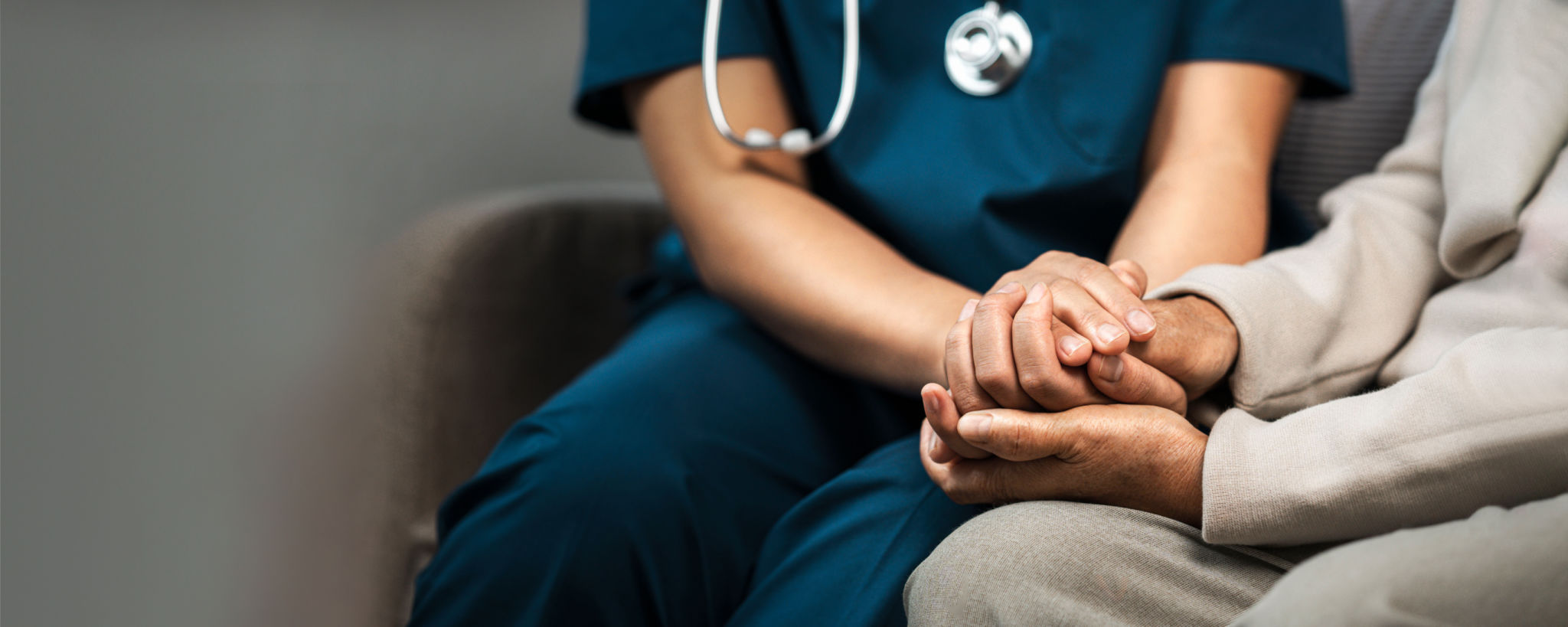
Moreover, a clean facility enhances the comfort and well-being of patients, contributing to a positive healing environment. This aspect is crucial in NT, where healthcare providers strive to offer a high standard of care to diverse communities, including remote areas with limited access to medical services.
Essential Cleaning Protocols and Practices
Effective cleaning in medical facilities involves more than just surface cleaning. It requires comprehensive protocols that include:
- Regular disinfection of high-touch surfaces such as door handles, bed rails, and medical equipment.
- Proper waste disposal, including hazardous materials.
- Use of hospital-grade disinfectants that meet regulatory standards.
These practices are essential to maintaining a sterile environment and ensuring the safety of everyone within the facility. Training and continuous education for cleaning staff are also critical in implementing these protocols effectively.

Adapting to Challenges in NT
The unique geographical and demographic challenges in NT require tailored cleaning strategies. Remote locations and varying climate conditions can affect how cleaning services are delivered. Ensuring that all medical facilities, regardless of their location, adhere to stringent cleaning standards is crucial for consistent patient care.
Collaboration between healthcare providers and cleaning service companies is vital in addressing these challenges. By working together, they can develop customized cleaning plans that meet the specific needs of each facility.
The Role of Technology in Enhancing Cleanliness
Technological advancements have revolutionized cleaning practices in medical facilities. Automated cleaning machines, UV disinfection systems, and real-time monitoring tools are now part of the arsenal used to maintain a sterile environment.
These technologies not only improve efficiency but also ensure a higher standard of cleanliness. Implementing such innovations in NT's medical facilities can significantly enhance patient safety and operational effectiveness.
Conclusion: A Commitment to Excellence
Ensuring the cleanliness of medical facilities in NT is a shared responsibility that requires commitment from all stakeholders. From healthcare administrators to cleaning staff, everyone plays a crucial role in maintaining a safe and healthy environment for patients and staff alike.
By prioritizing cleanliness, medical facilities in NT can improve patient outcomes, enhance satisfaction, and contribute to a healthier community. A clean facility is not just a necessity; it's a hallmark of quality healthcare.